
There are many beliefs that people have about managing money. Some of them are false. Here are five beliefs which people get wrong.
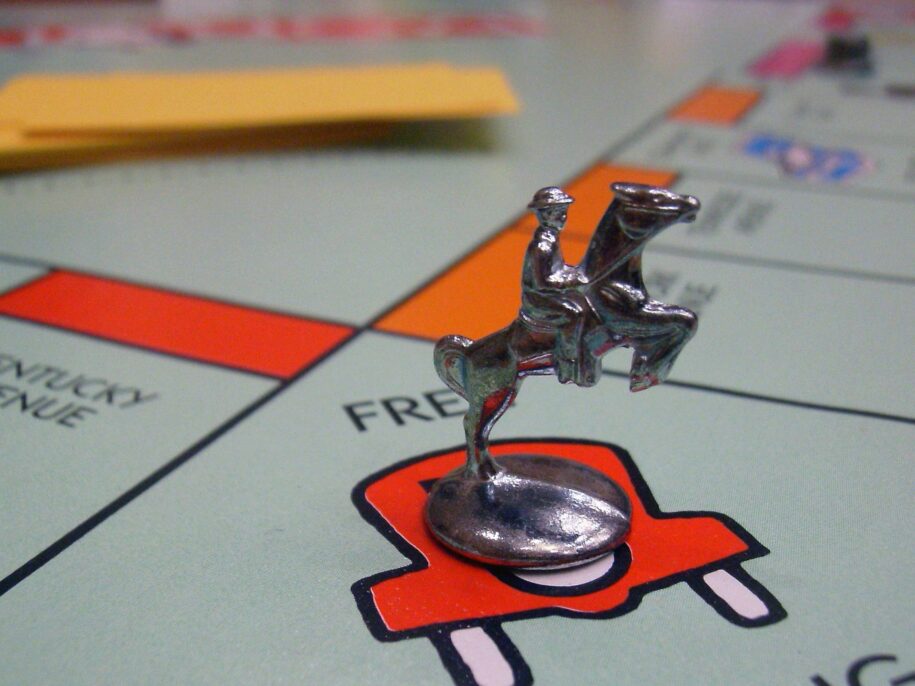
I enjoy the game Monopoly. I know, that makes me an outlier.
But hear me out. I think one of the big reasons why people tend to dislike Monopoly is because they say it takes too long. And one of the reasons it takes too long is people people are playing it wrong.
Many people play with a rule that states that you put some money on Free Parking when you have to pay a fee. When someone lands on Free Parking, they get that pile of money.
That has the effect of balancing the game out, allowing players that should be on the road to losing more financially viable, thus prolonging the game.
And this Free Parking rule is a myth, by the way. There’s nothing in the rule book about it. Free Parking is literally a do-nothing spot on the game board.
When I play Monopoly, the game lasts 45 minutes to an hour, tops. I think you can handle that.
I bring this up because, just like people have beliefs around Monopoly that don’t exist, people also have beliefs around money that are similarly untrue.
And I’d like to call out a few of those here.
1. “More money is the answer to my money problems”
Many people, tragically, do not make enough money to meet their basic needs. And this number is growing, as the price of everything goes up much faster than wages do.
For those people, more money coming in would serve them well.
But this tapers off, and at a certain point, the way to improve your situation can much more easily be found in improving the way that you manage your money.
You can’t out-earn bad decisions. And no matter how much you make, you can spend it, and spend it quickly.
Just wishing that you made more money without learning to manage the money you have better is a recipe for unhappiness.
Luckily, learning how to manage your money is much easier than chasing more.
2. “Owning a home is better than renting”
Oh, the endless push to own a home. Homeownership is less affordable than it’s been in decades, and so this is a push toward heartbreak.
But it need not be heartbreak. Owning a home comes with many advantages, but it also comes with a tremendous amount of costs, in terms of repair and maintenance, not to mention property taxes. Talk to a homeowner who’s just replaced their water heater and also had a leak in their basement that needed repairing; they’ll tell you all about it.
And while renting has disadvantages in terms of rents increasing, and the lack of asset building, renting can also be significantly less expensive than owning. And that money you save by renting can be invested for even greater wealth.
Also, the best part about renting is that you can move much more easily. I really appreciated the ease at which I gave up all of my apartments over the years, whereas I know that selling my condo is going to be a tremendous project.
A home you can’t afford is not a good deal. An rental apartment that allows you to put away money is a great deal. Both owning and renting can be good or bad.
3. “My credit score shows how good I am with money”
The fear around credit scores is heartbreaking. I even invented a word to describe it: pistotikophobia, as it feels like an actual condition.
But I hate to tell you, but your credit score isn’t a score of your financial worth. Your credit score is based on your credit history and behavior. This means: how much credit you use relative to your limit, how quickly you pay it off, etc.
This has nothing to do with how well you balance you budget, how much money you save, what your income is, etc. Your credit score is only about credit. But we’ve been so conditioned to believe otherwise, and so we see our credit score as a kind of “life score”.
Here’s the secret though: Unless you’re actively participating in the credit economy, your credit score doesn’t matter.
Are you trying to get a mortgage? A new credit card? A new car loan? Maybe rent a new apartment?
If you’re not doing these type things, then your credit score doesn’t matter at all.
I think we should be striving to interact with the credit systems as infrequently as possible, making your credit score matter even less. I’m not saying you shouldn’t try to improve your credit score. But it’s not a reflection of your financial worth.
4. “I can’t afford to have an emergency fund”
You can’t afford not to have an emergency fund.
That’s like saying that you can’t afford to have emergencies. This isn’t up to you; that’s why they’re called emergencies.
Now, there are lots of different kinds of emergency funds. Of course, having six months of expenses in the bank would be great, and would certainly help in the event of a layoff, but that need not be the only goal.
What about starting small? $50? $100? Something more than nothing? Most people don’t have emergencies every month. If you can put away even $20 a month into a savings account, then after a year you’ll have over $200. That won’t pay for a big emergency, but it’ll could pay for a small one.
Having a small emergency fund is more urgent than paying off a credit card, even though it might seem otherwise. Emergencies are precisely the time when you don’t want more debt. You can’t afford to not have money for emergencies.
5. “If I have money in my account, I still have money to spend”
Since so many people don’t keep track of their spending, they use the account balance of their checking account to determine if they have money left to spend.
This is not good for a whole host of reasons. First, it doesn’t align with putting spending on a credit card, which, remember, is just a promise to pay later. So you could put thousands of dollars on a credit card, and still have money in your account.
Second, it doesn’t account for how some spending clears faster than others. For example, running a debit transaction will post immediately, but running the exact same transaction as credit might take a few days to post. In that case, your account balance won’t reflect what you have to spend.
Third, it forces you into a reactive paycheck-to-paycheck mentality. If money, then spend; if no money, then not spend. There is no planning, no proactive thought given to finances at all.
And of course, if you run out of money, you get hit with overdraft fees.
Personally, with the way I handle money, I care about the account balance twice in a given month: the beginning of the month and the end. This is because I recommend everyone have a little bit of “float” money in their account, so that your balance can whether the ups and downs of the month without worrying about overdraft.
Beyond that, I plan out my spending at the beginning of the month, and do the best I can to stick to those targets.
You can do this too. If you want help learning how to never have to worry about overdrafting your account again, reach out to me.
Unlearn these beliefs
If you see yourself in any of these, it’s okay. We’ve all had to unlearn beliefs.
But the sooner you unlearn beliefs that aren’t working for you, the sooner you can replace them with beliefs that will. And the truth is that you are empowered to make financial choices that can make you wealthy. Are you ready to take ownership of your financial path forward?


Leave a Reply